 TCR Media November 25, 2025
Power plants operate under some of the harshest industrial conditions, where high temperature, extreme pressure, and continuous load make reliability the most important factor. Every component inside a power plant—from boilers and turbines to pipelines and cooling systems—must be able to withstand years of stress without failure. This is where Material Testing plays a vital role. It ensures that every material used in critical systems performs safely and consistently throughout its service life. Testing methods such as Tensile Testing help determine a material’s strength, ductility, and ability to handle load, while Metallurgical Testing helps understand the internal structure, micro-level defects, and long-term behavior under heat and pressure.
TCR Advanced Engineering PVT. LTD. has become one of the most trusted names in this field, offering world-class testing solutions for power plants across India and globally. With decades of experience and advanced laboratory infrastructure, TCR provides accurate, reliable insights into material performance, helping power plants operate safely, efficiently, and without unexpected shutdowns. Their expertise in Material Testing, failure analysis, and metallurgical evaluation makes them a preferred partner for plants seeking long-term reliability and operational excellence.
What is the Purpose of Material Testing?
Material Testing is essential for understanding how different materials behave under real-world operating conditions. In industries like power generation, materials are constantly exposed to extreme heat, pressure, corrosion, vibration, and mechanical stress. The purpose of Material Testing is to verify whether a material can safely handle these conditions over long periods without deforming, cracking, or failing. One of the most important tests, Tensile Testing, identifies the strength, elasticity, and ductility of metals, helping engineers select the right grade for each component. Without tensile data, it becomes difficult to predict how the material will respond to load or temperature changes.
Another important purpose is understanding internal defects, structural weaknesses, or micro-level inconsistencies. This is achieved through Metallurgical Testing, which analyzes the grain structure, heat treatment quality, and failure patterns. Material Testing also ensures compliance with industrial standards, improves the reliability of equipment, and reduces the risk of sudden failures. Ultimately, it helps power plants, manufacturers, and engineering companies make informed decisions about safety, performance, and long-term durability.
Why Power Plants Require Extensive Material Testing Services
Power plants operate continuously, often 24/7, and their components are exposed to extremely demanding environments. High steam pressure, fluctuating temperatures, aggressive chemical conditions, mechanical vibration, and long-term operational stress all contribute to material degradation. This is why power plants require extensive Material Testing services to ensure every component is strong, stable, and reliable throughout its lifecycle. Even a small defect in a boiler tube, turbine rotor, or pipeline can lead to major failures, causing expensive shutdowns, safety hazards, or reduced energy output.
Through Tensile Testing, power plants can determine whether a metal can withstand operational loads without breaking or deforming. This is especially important for components like pressure vessels, piping systems, and turbine parts, which must maintain structural integrity under varying loads. At the same time, Metallurgical Testing helps identify micro-level cracks, grain structure issues, creep damage, and the effects of overheating or corrosion. These insights allow engineers to predict failures before they occur.
Material Testing also supports preventive maintenance strategies. Instead of waiting for a failure, plants can schedule timely repairs based on testing data. This reduces downtime, extends equipment life, and ensures optimal performance. Overall, extensive Material Testing is not just a requirement—it is a fundamental part of ensuring safety, efficiency, and longevity in modern power plants.
Key Materials Tested in Power Plants
Boilers & Superheaters
Boilers and superheaters in power plants experience extreme temperatures and constant pressure fluctuations. These components are responsible for generating and transferring steam, making them highly sensitive to material degradation. Material Testing ensures that the steel used in these sections can withstand high-temperature creep, corrosion, and thermal fatigue. Tests such as Tensile Testing evaluate the strength and ductility of the metal, confirming whether it can handle long-term stress without deforming. Additionally, Metallurgical Testing helps identify microstructural changes caused by overheating or prolonged service. These insights allow engineers to predict failures early, maintain operational safety, and increase the life of boiler tubes and superheater elements.
Turbine Blades & Rotors
Turbine blades and rotors are among the most critical components in power plants, as they convert steam energy into mechanical power. They operate at extremely high speeds and face continuous thermal and mechanical stress. Material Testing is essential to ensure these components have the required fatigue strength, hardness, and heat resistance. Tensile Testing helps confirm whether the alloy can handle rapid loading cycles without cracking. Metallurgical Testing further examines the grain structure, heat-treatment quality, and potential creep deformation. Because even a small defect can lead to catastrophic turbine failure, rigorous and regular testing is fundamental for safe and efficient plant operations.
Pipelines & Steam Headers
Pipelines and steam headers transport high-temperature steam and fluids throughout the plant, making them highly vulnerable to erosion, corrosion, and pressure-related failures. Material Testing ensures that piping materials maintain their strength and integrity under constant stress. Tensile Testing verifies load-bearing capability, while other mechanical tests check resistance to cracking and deformation. Metallurgical Testing helps identify internal defects, wall thinning, or microstructural changes due to prolonged exposure to heat and chemicals. Regular testing of pipelines and steam headers is essential to prevent leaks, bursts, or failures that can disrupt plant operations, cause accidents, or lead to costly shutdowns.
Condensers & Heat Exchangers
Condensers and heat exchangers play a vital role in heat transfer and maintaining plant efficiency. These components frequently come into contact with water, chemicals, and varying temperatures, making them highly susceptible to corrosion and scaling. Material Testing helps evaluate the corrosion resistance, hardness, and durability of the metals used in these units. Tensile Testing ensures that the tubes and plates can handle mechanical stress without breaking, while Metallurgical Testing reveals internal pitting, grain boundary corrosion, or structural inconsistencies. Proper testing helps prevent contamination, leakage, and performance loss, ensuring stable and efficient cooling operations within the power plant.
Pressure Vessels
Pressure vessels store and manage fluids or gases under high pressure, which makes their structural integrity extremely important. Failure in pressure vessels can result in severe accidents. Material Testing ensures these vessels are built from metals capable of handling extreme pressure conditions. Tensile Testing checks for proper strength, elongation, and toughness, confirming the vessel’s safety under varying loads. Metallurgical Testing helps identify manufacturing defects, improper heat treatment, or microstructural weaknesses. Regular testing prevents catastrophic failures, supports regulatory compliance, and ensures long-term safe operation. In power plants, reliable pressure vessels are essential for maintaining stable system performance.
Structural Steel
Structural steel supports buildings, platforms, and heavy machinery structures inside a power plant. It must withstand continuous load, vibration, weather conditions, and occasional seismic activity. Material Testing helps verify whether the steel has adequate strength, ductility, and toughness. Tensile Testing plays a crucial role in determining whether the steel can maintain stability under high loads. Meanwhile, Metallurgical Testing examines weld quality, grain structure, and potential defects that could weaken the framework. Since structural failure can compromise safety and plant operation, thorough testing ensures long-lasting performance and compliance with engineering standards.
Cooling System Components
Cooling system components such as cooling towers, pipes, and pump casings are constantly exposed to water, chemicals, and environmental factors. This makes them prone to corrosion, erosion, and mechanical wear. Material Testing ensures these components can withstand long-term exposure without significant degradation. Tensile Testing evaluates their mechanical strength, while Metallurgical Testing helps detect corrosion patterns, micro-cracks, and other structural issues. By analyzing material quality regularly, power plants can maintain efficient cooling performance, prevent unexpected failures, and prolong the lifespan of critical components. Reliable cooling systems also help maintain overall thermal efficiency and safe plant operation.
Main Types of Material Testing Used in Power Plants
1. Mechanical Testing
Mechanical Testing is one of the most essential categories of Material Testing used in power plants to evaluate how materials behave under various types of loads. Components such as boilers, turbines, pipelines, and pressure vessels must perform under continuous stress, making mechanical tests crucial for predicting long-term performance. Tensile Testing is one of the primary methods used to measure material strength, ductility, elongation, and yield properties. Other mechanical tests include hardness testing, impact testing, fatigue testing, and creep testing—all of which help determine how materials will respond to real-world service conditions. These tests ensure that every component used in the plant is strong enough to handle temperature fluctuations, pressure changes, and mechanical forces without failing unexpectedly. Mechanical Testing forms the foundation of safe and reliable power plant operation.
2. Non-Destructive Testing (NDT)
Non-Destructive Testing (NDT) plays a vital role in evaluating material quality without causing any damage to the component. Power plants rely on NDT because many critical parts, such as boiler tubes, turbine blades, and pipelines, cannot be physically cut or destroyed for testing. NDT techniques allow early detection of cracks, corrosion, weld defects, and hidden internal flaws. Common methods include Ultrasonic Testing, Radiographic Testing, Magnetic Particle Testing, Dye Penetrant Testing, and Eddy Current Testing. These methods provide accurate insights into component health while keeping the equipment fully operational. NDT complements other forms of Material Testing by offering real-time monitoring and inspection. It helps engineers identify potential failures before they become serious, reducing repair costs and preventing unplanned shutdowns. With its precision and non-invasive nature, NDT is an essential tool for power plant maintenance.
3. Chemical Testing
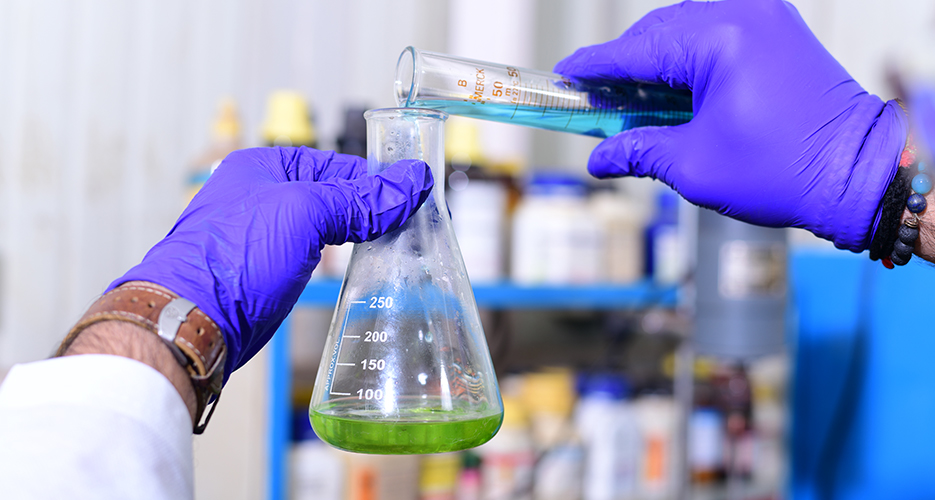
Chemical Testing helps determine the exact chemical composition of materials used in power plants. Since different metals and alloys contain specific percentages of elements like carbon, chromium, nickel, and molybdenum, Material Testing ensures that they meet required standards. Proper chemical composition is vital for corrosion resistance, heat tolerance, and long-term strength. If the balance of elements is incorrect, the material may fail prematurely under pressure or temperature. Tests such as spectroscopy, carbon-sulfur analysis, and wet chemical analysis provide accurate data about the material’s chemical structure. This information helps engineers select the right alloys for boilers, turbines, and pipelines. Chemical Testing also supports quality control during manufacturing and ensures compliance with ASME and ASTM standards. By verifying material quality from the inside out, chemical testing becomes a foundation of safe power plant operations.
4. Metallographic Testing
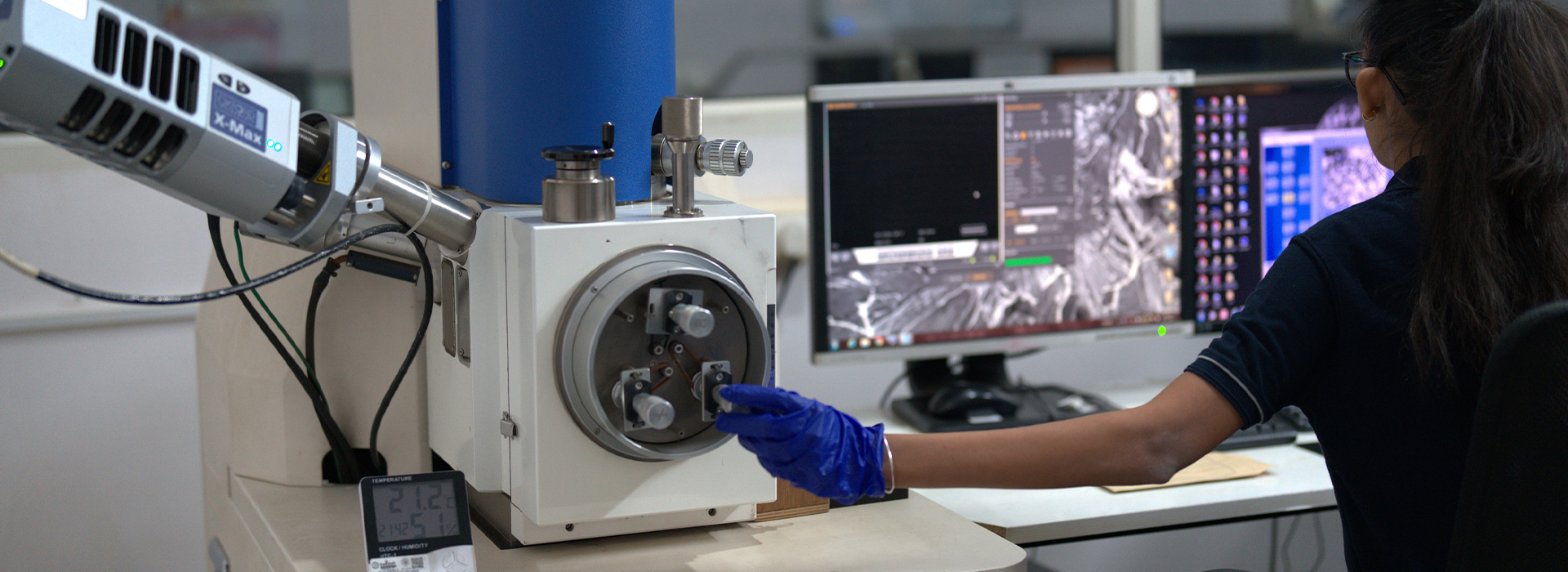
Metallographic Testing focuses on studying the microstructure of metals to understand how they behave under service conditions. It is a crucial part of Material Testing, especially for components exposed to extreme heat, such as boiler tubes and turbine blades. This method helps engineers examine grain size, phase distribution, inclusions, and heat treatment results. By analyzing polished and etched samples under a microscope, experts can detect micro-cracks, creep damage, carbide formation, and other structural changes that are not visible to the naked eye. Metallurgical Testing also helps determine the cause of failures, making it essential for root-cause analysis. Understanding microstructure provides insights into performance, longevity, and reliability. It also helps verify whether a material has been treated or manufactured correctly. Metallographic analysis is one of the most reliable ways to predict the remaining life of critical components in a power plant.
5. Performance & Service Life Testing
Performance & Service Life Testing helps predict how long a material or component will last under actual power plant conditions. This form of Material Testing includes creep rupture testing, stress rupture testing, fatigue testing, and thermal cycling tests. These evaluations simulate real-world stress, temperature, and pressure conditions to understand how materials degrade over time. Tensile Testing is often combined with these long-term assessments to create a complete profile of material strength and durability. In power plants, where components are expected to operate continuously for years, predicting service life prevents unexpected failures. These tests help engineers determine maintenance schedules, replace worn-out parts on time, and enhance overall plant efficiency. By understanding material behavior in advance, power plants can avoid sudden breakdowns and ensure smoother, safer operation.
Common Failures Detected Through Material Testing
Boiler Tube Thinning
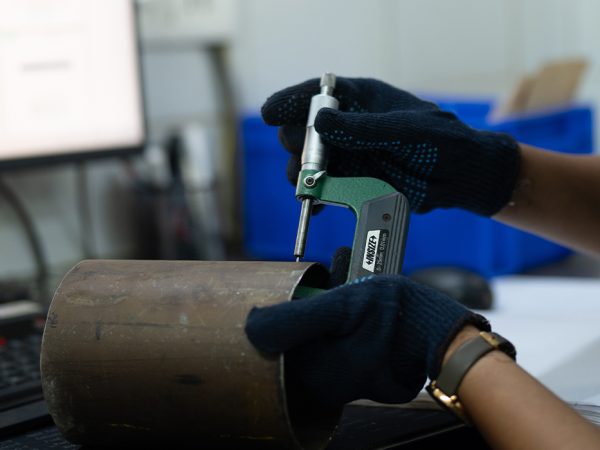
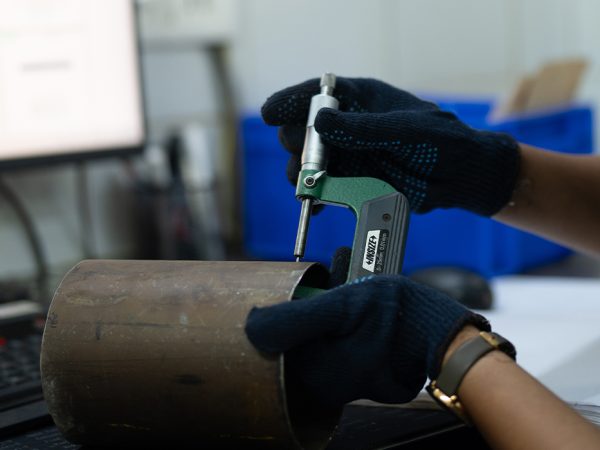
Boiler tube thinning occurs due to long-term exposure to high-temperature steam, corrosion, and erosion inside the boiler. Material Testing helps measure wall thickness reduction and identify the rate of metal loss. Metallurgical Testing further reveals internal corrosion patterns or microstructural degradation. Detecting thinning early helps power plants replace or repair tubes before failure, preventing leaks, efficiency loss, and unsafe operating conditions.
Stress Corrosion Cracking (SCC)
Stress Corrosion Cracking happens when materials simultaneously face tensile stress and corrosive environments. Power plants often encounter SCC in boilers, turbines, and piping systems. Through Material Testing and Metallurgical Testing, engineers can identify crack initiation and growth. SCC is dangerous because cracks spread quickly and may not be visible externally. Early detection helps prevent structural failure, sudden shutdowns, and costly damage to high-pressure components.
Creep Deformation
Creep deformation occurs when materials gradually deform under constant high temperature and stress, especially in boilers and superheaters. Material Testing, such as creep and Tensile Testing, helps determine a metal’s resistance to long-term heat exposure. Metallurgical Testing reveals microstructural changes like grain growth or carbide formation. Detecting creep early helps power plants plan timely replacements, improving safety and preventing catastrophic component failure.
Fatigue Failure
Fatigue failure results from repeated cyclic loading, common in turbine parts and rotating components. Over time, small cracks develop and expand, eventually leading to fracture. Material Testing helps evaluate fatigue strength, while Metallurgical Testing identifies crack origins and propagation patterns. Detecting fatigue early allows engineers to take preventive measures, reducing the risk of sudden breakdowns and ensuring reliable long-term operation of critical equipment.
Pitting Corrosion
Pitting corrosion creates small but deep holes on metal surfaces, commonly seen in condensers and heat exchangers. It is often overlooked because the pits start at microscopic levels. Material Testing helps identify metal loss, while Metallurgical Testing examines the microstructure to understand the cause. Early detection prevents leakage, contamination, and efficiency reduction, ensuring components continue to function safely under corrosive conditions.
Hydrogen Embrittlement
Hydrogen embrittlement occurs when hydrogen atoms penetrate the metal, causing it to become brittle and prone to cracking. Power plants experience this issue in high-pressure and high-temperature components. Material Testing helps identify reductions in ductility through Tensile Testing, while Metallurgical Testing reveals internal cracks or fissures. Early detection prevents sudden and dangerous failures, improving safety and operational reliability.
Weld Failures
Weld failures occur due to improper welding, thermal stress, or long-term fatigue. These failures can lead to leaks, structural weakness, or complete component failure. Material Testing evaluates weld strength and performance, while Metallurgical Testing identifies porosity, incorrect grain structure, or heat-affected zone (HAZ) issues. Detecting weld defects early ensures structural integrity, prevents equipment damage, and supports safe power plant operation.
Benefits for Power Plants
Increased Equipment Life
Material Testing helps power plants extend the lifespan of critical equipment by identifying early signs of wear, corrosion, or fatigue. Through techniques like Tensile Testing and Metallurgical Testing, engineers can understand material strength, internal structure, and long-term degradation. This allows plants to repair or replace components before they fail. As a result, machines operate longer, more efficiently, and with fewer unexpected breakdowns.
Reduced Maintenance Cost
With regular Material Testing, power plants can adopt preventive maintenance instead of reactive repairs. Testing helps detect hidden issues early, reducing the likelihood of major failures that require costly replacements. Metallurgical Testing reveals microstructural problems, while mechanical tests highlight weakening components. Fixing small issues in advance saves money, minimizes downtime, and ensures maintenance activities are planned more efficiently, reducing overall operational costs.
Higher Thermal Efficiency
The efficiency of boilers, turbines, and heat exchangers depends heavily on the condition of their materials. Material Testing ensures components remain strong, stable, and free from corrosion or deformation. When parts function properly, heat transfer improves, steam flow remains consistent, and energy losses are reduced. This results in higher thermal efficiency and more reliable power generation. Testing ultimately helps plants maintain optimal output levels.
Improved Plant Reliability
Material Testing enhances the overall reliability of power plants by providing clear insights into component health. Through Tensile Testing and Metallurgical Testing, engineers can evaluate material performance under demanding conditions. By detecting problems in advance, plants avoid unplanned shutdowns and maintain steady operations. Reliable equipment ensures better power supply, improved performance, and a longer operational life for all major systems within the plant.
Enhanced Safety for Workers
Safety is one of the top priorities in power plants, and Material Testing plays a major role in achieving it. By identifying cracks, corrosion, thinning, or structural weaknesses early, engineers can prevent hazardous failures. Tensile Testing checks material strength, while metallurgical methods reveal hidden flaws. Detecting risks before they escalate helps protect workers, reduce accidents, and maintain a safer working environment for all plant personnel.
Compliance with Energy Regulations
Power plants must follow strict national and international safety and performance standards. Material Testing ensures that all components meet regulatory requirements related to strength, durability, and heat resistance. Tensile Testing and Metallurgical Testing provide accurate data needed for certification and audits. By staying compliant, power plants avoid penalties, improve credibility, and maintain smooth operational approvals from regulatory authorities.
Why Choose TCR Advanced Engineering PVT. LTD.
TCR Advanced Engineering PVT. LTD. is one of the most trusted and experienced names in the field of Material Testing, serving power plants, refineries, chemical industries, and manufacturing units for several decades. What makes TCR unique is its strong commitment to accuracy, reliability, and world-class testing standards. With a highly advanced laboratory setup and a team of experienced metallurgists, engineers, and quality experts, TCR provides a complete range of testing services including Tensile Testing, Metallurgical Testing, chemical analysis, NDT, failure investigation, creep testing, hardness testing, and more.
Power plants rely on TCR because every test report they deliver is precise, detailed, and backed by strong technical understanding. Their testing capability helps plants identify potential failures early, improve equipment life, reduce downtime, and maintain the highest level of safety. Whether it is evaluating boiler tubes, turbine blades, pipelines, or pressure vessels, TCR uses industry-leading technology to assess the true health of materials.
Another reason to choose TCR is their expertise in root-cause failure analysis. When components fail unexpectedly, TCR’s metallurgical experts examine the problem in-depth, identify the reason for failure, and recommend corrective actions to prevent it from happening again. Their approach is scientific, practical, and aligned with international standards.
With their reputation for excellence, fast turnaround time, and dependable customer support, TCR Advanced Engineering PVT. LTD. continues to be the preferred partner for power plants seeking long-term reliability and world-class testing services.
Conclusion
Material Testing plays a vital role in ensuring the safety, reliability, and long-term performance of power plants. With components constantly exposed to high temperature, pressure, corrosion, and mechanical stress, proper testing becomes essential to avoid failures and maintain smooth operation. Techniques such as Tensile Testing and Metallurgical Testing provide deep insights into material strength, microstructure, and overall durability. By understanding these factors, power plant engineers can make informed decisions about maintenance, replacements, and upgrades. Partnering with experts like TCR Advanced Engineering PVT. LTD. ensures that every component performs as expected, reducing risks and improving operational efficiency. In the end, strong testing practices create safer plants, lower costs, and more dependable energy production.
FAQs
1. What is material testing in power plants?
Material testing involves examining metals, alloys, and structural components used in power-generation systems to ensure they can withstand heat, pressure, corrosion, and mechanical stress.
2. Why is material testing important in power plants?
It prevents unexpected failures, increases equipment life, improves safety, and ensures the plant operates at maximum efficiency with minimum downtime.
3. What types of material tests are commonly performed?
Common tests include tensile testing, hardness testing, impact testing, non-destructive testing (NDT), creep testing, thermal fatigue analysis, corrosion testing, and metallurgical evaluation.
4. How does NDT help in power plant maintenance?
NDT detects cracks, defects, and weaknesses without damaging the component. It’s essential for inspecting boilers, turbines, pipes, and pressure vessels during routine shutdowns.
5. Which power plant components require frequent testing?
Boiler tubes, steam pipes, turbine blades, pressure vessels, heat exchangers, weld joints, and structural supports require periodic testing.
6. How often should material testing be performed?
It depends on plant type, load cycles, and regulatory guidelines, but typically inspections occur during scheduled shutdowns or after reaching specific operating hours.
7. Can material testing reduce plant downtime?
Yes. Early detection of wear, cracks, or corrosion avoids major failures and extends operational life, resulting in fewer emergency shutdowns.
8. What standards govern material testing in power plants?
Standards commonly include ASME, ASTM, ISO, API, and national safety regulations for thermal and nuclear power facilities.
9. Does material testing vary across coal, gas, and nuclear plants?
Yes. Each plant type has different temperature, pressure, and radiation conditions, so testing requirements and methods vary based on operating environment.
10. Who performs material testing in power plants?
Certified engineers, metallurgists, NDT technicians, and inspection specialists with accreditation from recognized bodies (ASNT, ISO, ASME) typically conduct the testing.