TCR Media December 19, 2025
At TCR Advanced Engineering PVT. LTD., we specialize in providing comprehensive solutions for Engineering Procurement and Construction (EPC) projects, focusing on minimizing operational risks through Root Cause Analysis. EPC projects are inherently complex, involving multiple stakeholders, materials, equipment, and processes. Even minor failures can lead to delays, cost overruns, or quality issues, impacting the overall project performance.
Root Cause Analysis is a systematic approach to identify the underlying reasons behind failures in procurement, engineering design, or construction processes. By investigating the core causes of issues rather than addressing surface-level symptoms, we help our clients implement solutions that prevent recurrence. Our expertise extends to conducting detailed Failure Testing Services, analyzing materials, components, and processes to pinpoint weak points. Every investigation is documented thoroughly through a Failure Investigation Report, ensuring actionable insights and better decision-making.
At TCR Advanced Engineering, we combine industry expertise with advanced analytical tools to deliver accurate and timely results, ensuring EPC projects run smoothly, efficiently, and safely. Our focus is on delivering measurable outcomes that save time, reduce costs, and enhance project reliability.
What is Failure and Root Cause Analysis?
Failure and Root Cause Analysis is a structured process aimed at understanding why a failure occurs and determining the fundamental reasons behind it. In the context of EPC projects, failures can arise due to defective materials, incorrect engineering designs, improper procurement decisions, or construction process deviations. Identifying only the immediate problem does not prevent recurrence; hence, a deeper analysis is necessary.
This methodology involves investigating both technical and operational aspects to understand the failure comprehensively. Using advanced Failure Testing Services, engineers evaluate materials, structural components, or systems to detect weaknesses. The findings are then compiled into a detailed Failure Investigation Report, highlighting not just the cause but also actionable recommendations.
By employing Root Cause Analysis, organizations can implement corrective measures that address the actual source of the problem rather than temporary fixes. This reduces downtime, prevents recurring issues, and enhances the overall reliability and efficiency of EPC projects. It also helps in establishing best practices and improving procurement and construction strategies, ensuring sustainable project execution.
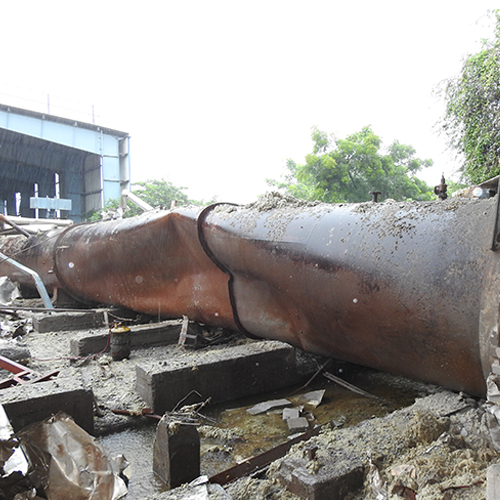
Why Conducting Failure Analysis Is Crucial in EPC Projects
Failure analysis plays a critical role in the success of Engineering Procurement and Construction (EPC) projects. These projects involve multiple interconnected activities, including material procurement, engineering design, fabrication, and on-site construction. A failure in any single step can have cascading effects, leading to delays, increased costs, and compromised safety.
Conducting Failure and Root Cause Analysis ensures that every failure is thoroughly investigated to identify the underlying reasons. By understanding these root causes, project teams can implement measures that prevent similar failures in the future. This proactive approach not only safeguards project timelines but also optimizes resource allocation and enhances operational efficiency.
Through Failure Testing Services, materials, components, and systems are rigorously evaluated under various conditions to detect weaknesses. The findings are compiled in a Failure Investigation Report, providing a clear roadmap for corrective actions. This ensures that engineering designs, procurement processes, and construction methodologies meet quality and performance standards.
Moreover, failure analysis improves accountability among stakeholders and fosters a culture of continuous improvement. In high-stakes EPC projects, where safety, quality, and deadlines are paramount, implementing root cause analysis is not optional—it is essential for sustainable project success and client satisfaction.
Process of Root Cause Analysis in EPC Projects
1. Problem Identification
The first step in Root Cause Analysis is clearly identifying the problem. In EPC projects, this could be a delay in procurement, material failure, or construction defects. A precise problem definition sets the stage for effective analysis. The problem should be described in measurable terms, including when, where, and under what conditions it occurred.
By involving all stakeholders, including procurement managers, engineers, and quality inspectors, a comprehensive understanding of the issue is achieved. This step ensures that the investigation targets the actual problem and avoids wasting resources on symptoms rather than the underlying cause. A properly defined problem also aids in setting objectives for corrective actions and monitoring improvements.
2. Data Collection
Once the problem is identified, relevant data must be collected. This includes purchase orders, vendor performance reports, material specifications, inspection records, and any previous incident reports. Failure Testing Services may also be conducted to gather technical data on failed components.
Data collection is critical as it provides the factual basis for analysis. Accurate, detailed, and comprehensive information ensures that decisions are evidence-based rather than speculative. It also allows the engineering team to compare actual performance with design expectations, identifying discrepancies that may indicate root causes.
3. Problem Analysis
The collected data is then analyzed to understand patterns, frequency, and potential impact of the problem. Statistical tools, trend analysis, and process mapping can help identify areas of concern. This analysis differentiates between recurring failures and isolated incidents.
During this stage, engineers examine the interplay of procurement, engineering, and construction activities to see how deviations may have contributed to the problem. The analysis phase is essential to pinpoint which factors require deeper investigation through Failure Testing Services.
4. Identify Possible Causes
Using methods like Fishbone Diagrams (Ishikawa) and the 5 Whys, possible causes are identified. These may include poor vendor selection, incorrect specifications, inadequate material testing, or process lapses.
By systematically listing potential causes, the team can examine each factor critically. This step ensures that no potential source of failure is overlooked and sets the stage for determining the actual root cause that is responsible for recurring issues.
5. Determine Root Cause
Determining the root cause involves verifying which potential cause truly led to the failure. This requires cross-referencing data, analyzing test results, and evaluating processes. The root cause represents the underlying reason that, if addressed, will prevent recurrence.
A detailed Failure Investigation Report is prepared to document findings. This report provides transparency and a clear understanding of the issue, helping management make informed decisions.
6. Develop Corrective Actions
Once the root cause is identified, corrective actions are developed to eliminate it. This may include process redesign, enhanced vendor evaluation, updated procurement procedures, or additional quality checks.
Corrective actions must be realistic, actionable, and measurable. Clear timelines and responsibilities are assigned to ensure proper implementation. This stage bridges analysis and execution, converting insights into tangible improvements.
7. Implement Solutions
Finally, corrective measures are implemented in the EPC workflow. This could involve revising procurement strategies, introducing stricter quality controls, or improving engineering processes.
Implementation is closely monitored to verify effectiveness. Continuous feedback ensures that solutions are working as intended and that the project benefits from improved efficiency, safety, and reliability.
Why Choose TCR Advanced Engineering PVT. LTD.
TCR Advanced Engineering PVT. LTD. is a trusted partner for Root Cause Analysis and Failure Testing Services in EPC projects. With years of experience, we combine technical expertise, advanced tools, and industry knowledge to deliver precise and actionable insights.
Our approach is humanized, focusing on understanding client challenges and providing practical solutions. Each project is handled meticulously, starting from data collection to preparing a detailed Failure Investigation Report, ensuring complete transparency and accountability.
We specialize in identifying weaknesses in procurement, engineering designs, and construction processes, helping clients prevent future failures. Our team leverages Root Cause Analysis methodologies tailored to EPC requirements, enabling optimized processes, reduced downtime, and cost-effective project execution.
Clients choose TCR Advanced Engineering because we not only identify problems but also provide actionable solutions that enhance performance, safety, and compliance. Our commitment to excellence ensures that EPC projects are executed with precision, reliability, and long-term success.
Conclusion
In the dynamic environment of Engineering Procurement and Construction (EPC) projects, failures are inevitable, but their impact can be minimized through systematic Failure and Root Cause Analysis. By identifying the root causes of failures and implementing corrective actions, project teams can prevent recurrence, optimize processes, and ensure timely, cost-effective delivery.
TCR Advanced Engineering PVT. LTD. offers comprehensive solutions, including Failure Testing Services and detailed Failure Investigation Reports, to guide EPC projects toward success. Root cause analysis not only improves operational efficiency but also strengthens decision-making, enhances safety, and fosters continuous improvement.
Investing in root cause analysis ensures that EPC projects meet quality standards, minimize risks, and achieve long-term sustainability. Ultimately, it is an essential step for every organization aiming for excellence in engineering, procurement, and construction.
FAQs
What is Root Cause Analysis in EPC projects?
Root Cause Analysis identifies the fundamental reasons behind failures in engineering, procurement, or construction processes to prevent recurrence.
Why is failure analysis important in EPC projects?
Failure analysis ensures issues are fully understood, allowing teams to implement solutions that prevent delays, reduce costs, and maintain safety standards.
What are Failure Testing Services?
Failure Testing Services involve evaluating materials, components, or systems under controlled conditions to detect weaknesses that could lead to failure.
How does TCR Advanced Engineering conduct root cause analysis?
TCR collects data, analyzes problems, identifies possible causes, determines the root cause, and develops corrective actions for EPC projects.
What is included in a Failure Investigation Report?
A Failure Investigation Report details the cause of failure, analysis process, test results, and recommended corrective actions to prevent recurrence.
Can root cause analysis improve project efficiency?
Yes, by addressing the underlying problems, root cause analysis reduces downtime, optimizes processes, and enhances project performance.
Is root cause analysis only for technical failures?
No, it addresses both technical and operational failures, including procurement delays, design issues, and construction defects.
How long does a failure analysis take?
The duration depends on project complexity and the type of failure, ranging from a few days to several weeks.
Who should be involved in root cause analysis?
Project managers, engineers, quality inspectors, and procurement teams should collaborate for effective root cause analysis.
Why choose TCR Advanced Engineering for EPC projects?
TCR offers expert root cause analysis, failure testing, and detailed investigation reports to ensure EPC projects run safely, efficiently, and reliably.