 TCR Media December 5, 2025
Every industry depends on reliable systems, safe operations, and consistent performance. But when a component, machine, or material fails, it affects productivity, safety, and overall business operations. This is where Root Cause Analysis becomes essential. It helps industries understand why a failure occurred instead of only addressing the visible problem. Through detailed Failure and Root Cause Analysis, companies can prevent the same issue from happening again, improve product quality, and strengthen their operational reliability.
At TCR Advanced Engineering Pvt. Ltd., we support industries by providing accurate, science-backed, and timely analysis of failures. Our team uses advanced tools, engineering expertise, and global testing standards to conduct Failure Investigation, Failure Analysis, and Heat Exchanger Inspection for critical components. With years of experience in various industrial sectors, we deliver a clear and actionable Failure Investigation Report that helps clients make informed decisions.
Our goal is simple — help industries eliminate recurring issues, improve safety, and achieve long-term reliability through professional and transparent engineering insights.
What is Root Cause Analysis?
Root Cause Analysis (RCA) is a structured method used to identify the true reason behind a failure, breakdown, or operational issue. Instead of treating surface-level symptoms, RCA helps find the exact point where the problem started. It involves studying the environment, materials, operational history, and technical parameters connected to the failure. When performed correctly, RCA prevents repetitive issues and reduces downtime.
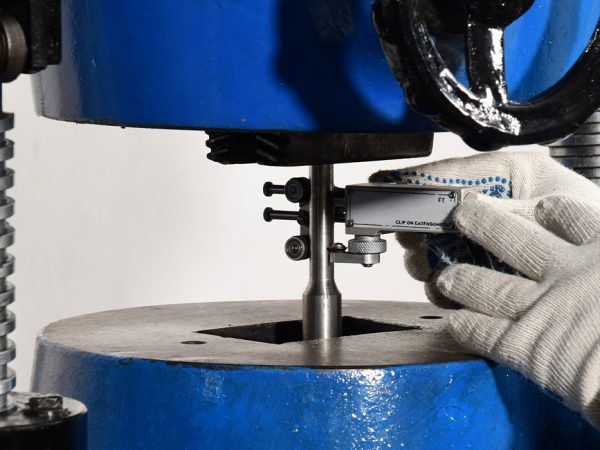
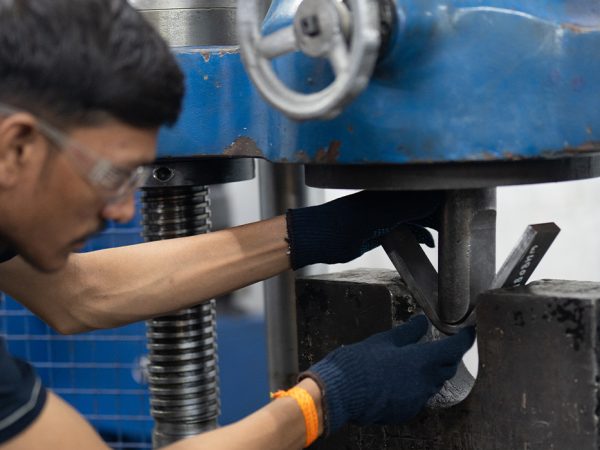
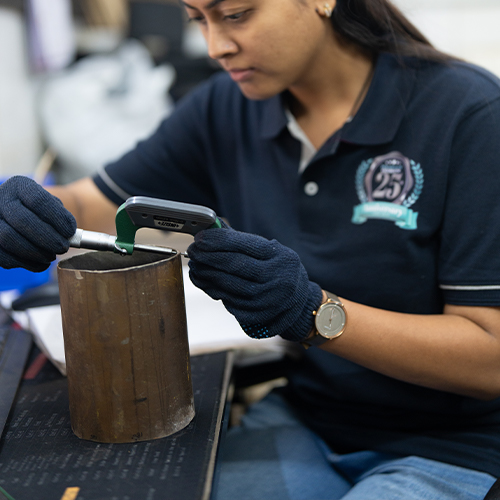
In engineering, RCA is closely linked to Failure Analysis and Failure Investigation, where physical, chemical, and mechanical techniques are used to understand how and why a component failed. Tools like microscopy, metallurgical testing, stress analysis, and material inspection help determine the exact cause. Whether it’s equipment failure, corrosion, material defects, or process deviations, RCA highlights the core reason.
Industries use RCA not only to fix problems but also to enhance product design, safety protocols, and operational standards. When combined with expert reporting such as a Failure Investigation Report, it becomes a powerful tool for long-term improvement and risk control.
Why Do Industries Need Root Cause Analysis?
Industries rely on Root Cause Analysis because even a small failure can lead to major production loss, financial impact, or safety hazards. RCA helps organizations understand what went wrong at the fundamental level, allowing them to implement strong corrective actions. Instead of guessing the cause, industries receive scientific and evidence-based results through detailed Failure and Root Cause Analysis.
RCA also strengthens quality control. Whether it is a manufacturing defect, material inconsistency, corrosion issue, or operational error, the analysis provides clarity. This ensures that the same failure does not happen again. Critical components like boilers, pipelines, pressure vessels, and heat transfer systems also require RCA combined with Heat Exchanger Inspection to avoid accidents or major shutdowns.
Another major advantage is improved reliability. When industries regularly perform Failure Investigation, they gain better visibility of risks, maintenance needs, and cost-saving opportunities. With a professional Failure Investigation Report, management teams can make confident decisions, upgrade systems, and enhance long-term safety — making RCA essential for every industry.
Types of Industries That Highly Utilize Failure Analysis
Oil & Gas Industry
The oil and gas industry deals with high-pressure systems, corrosive environments, and critical components. Any failure can cause major operational risk. Through Failure Analysis and Failure Investigation, companies identify issues such as corrosion, cracking, fatigue, or material degradation. RCA ensures safer operations and prevents shutdowns in pipelines, refineries, and offshore platforms. Inspections like Heat Exchanger Inspection help maintain productivity and extend equipment life. A detailed Failure Investigation Report guides engineers in making corrective actions to prevent reoccurrence.
Chemical & Process Industry
Chemical plants often experience challenges like corrosion, thermal stress, and material compatibility issues. Root Cause Analysis helps detect the true cause of leaks, equipment failure, or process deviations. Companies depend on Failure Analysis to maintain safety and product quality. RCA also minimizes unplanned downtime and ensures compliance with process safety standards. Whether it’s reactor failure, heat exchanger problems, or gasket damages, a proper Failure Investigation Report provides clarity and accountability.
Pharmaceutical Manufacturing
Pharma industries require the highest level of consistency and reliability. Any equipment failure can affect product quality and production speed. Failure and Root Cause Analysis plays a vital role in identifying contamination sources, equipment malfunction, or material issues. Through advanced Failure Investigation, companies maintain strict quality standards. Routine checks like Heat Exchanger Inspection support stable operations and help avoid costly breakdowns. RCA allows pharma plants to maintain compliance and deliver safe, error-free production.
Power Generation Industry
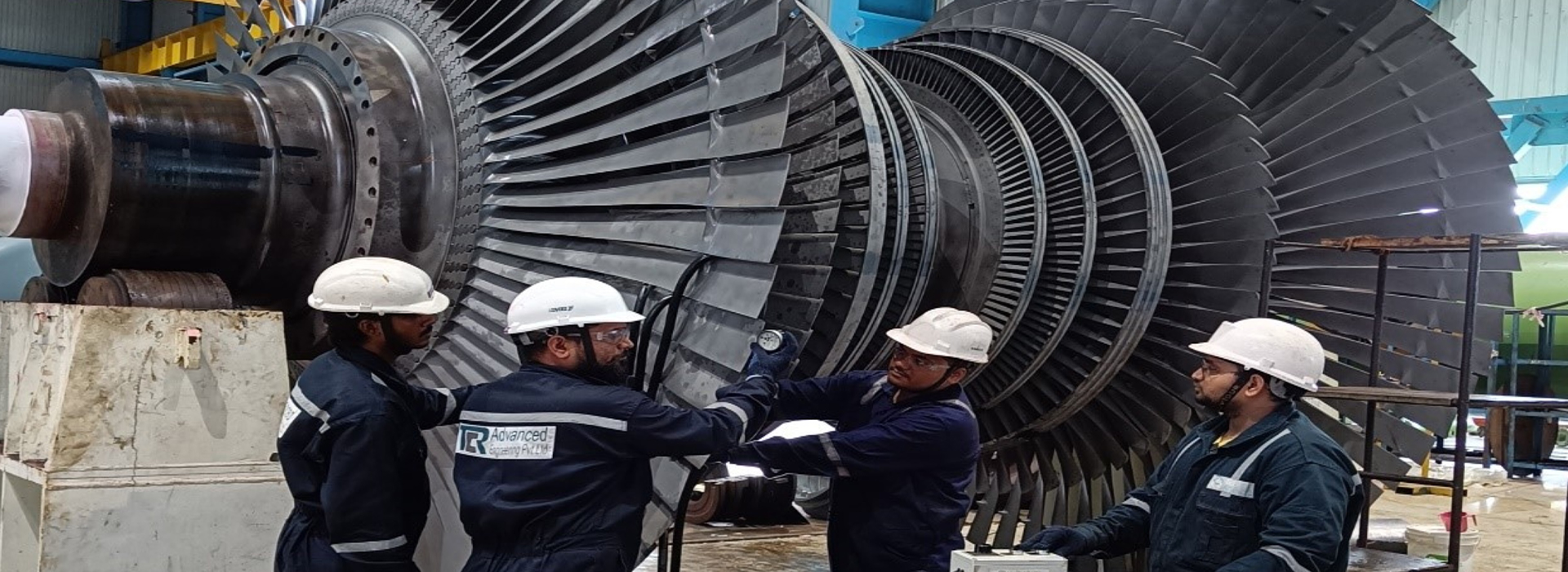
Power plants depend on boilers, turbines, condensers, and heat exchangers. Failure in any of these systems can interrupt power supply. Failure Analysis helps detect early signs of stress, creep, fatigue, or corrosion. With Root Cause Analysis, power plants understand the exact failure mechanism and implement dependable solutions. Whether in thermal, nuclear, or renewable plants, Failure Investigation ensures long-term efficiency. A complete Failure Investigation Report also supports maintenance planning and improves the lifespan of components.
Petrochemical Industry
Petrochemical facilities operate with high temperatures and aggressive chemicals, so equipment reliability is critical. Failure and Root Cause Analysis helps identify cracking, corrosion, material incompatibility, and process deviations. Heat Exchanger Inspection is especially important due to the heavy use of heat transfer equipment. Through scientific Failure Investigation, industries avoid costly shutdowns and improve operational safety. RCA strengthens compliance with environmental and process standards. A detailed Failure Investigation Report ensures clarity for engineering and safety teams.
Food & Beverage Industry
In this sector, hygiene, safety, and machinery reliability are top priorities. Equipment corrosion, overheating, contamination, or mechanical breakdown can lead to product losses. Root Cause Analysis helps companies understand the true cause of failure and prevent future disruptions. Failure Analysis of mixers, conveyors, heat treatment units, and pipelines ensures smooth production. Routine Heat Exchanger Inspection maintains temperature control and product quality. RCA supports safer, more efficient operations with clear, actionable insights.
Cement & Mining Industry
Heavy machinery used in cement and mining plants often faces wear, abrasion, and high-load failures. Failure Investigation helps detect issues in conveyors, crushers, gearboxes, and rotary kilns. Failure Analysis supports preventive maintenance and reduces downtime in these high-stress environments. With Root Cause Analysis, industries understand the reasons for mechanical breakdown, cracks, or material fatigue. A detailed Failure Investigation Report provides practical recommendations to extend equipment life and improve plant performance.
Advantages of Root Cause Analysis
Prevents Recurring Failures
The biggest advantage of Root Cause Analysis is its ability to prevent the same problem from happening again. Instead of applying temporary solutions, RCA identifies the exact reason behind a failure. Through proper Failure Investigation, companies eliminate hidden issues that could create repeated breakdowns. This ensures long-term reliability, reduces maintenance cost, and boosts plant efficiency. A systematic Failure Investigation Report helps management implement strong corrective actions and avoid repeat failures.
Improves Safety & Risk Control
RCA significantly enhances workplace safety. When industries conduct Failure and Root Cause Analysis, they identify unsafe conditions, design weaknesses, or operational errors. This minimizes the risk of accidents and protects workers and equipment. RCA-backed Failure Analysis also improves compliance with industrial safety standards. Reports generated after Failure Investigation help engineers understand potential hazards and develop strong preventive strategies.
Enhances Equipment Reliability
With RCA, companies gain insights into the health of their critical equipment. Understanding the cause of mechanical damage, corrosion, or system failure helps industries improve the performance of boilers, pipelines, and heat exchangers. Regular Heat Exchanger Inspection combined with Failure Investigation extends equipment life. A complete Failure Investigation Report provides recommendations that enhance long-term equipment reliability.
Reduces Operational Downtime
Unplanned downtime leads to heavy financial loss. Through Root Cause Analysis, industries detect early warning signs and avoid sudden failures. RCA supports a proactive approach where potential issues are corrected before breakdown happens. By understanding the outcomes of Failure Analysis, companies reduce stoppages and maintain consistent productivity. RCA-based insights also help plan maintenance more efficiently.
Supports Better Decision-Making
RCA provides industries with data-driven insights. A clear and detailed Failure Investigation Report highlights the real reason for failure along with corrective measures. This helps management teams make confident decisions about upgrades, replacements, and safety improvements. With strong engineering evidence from Failure and Root Cause Analysis, industries can refine their standards and improve long-term performance.
Why India’s Leading Industries Trust Us
India’s top industries trust TCR Advanced Engineering Pvt. Ltd. because of our scientific approach, transparent process, and commitment to accuracy. We combine decades of metallurgical, chemical, and mechanical expertise to deliver reliable outcomes in Failure Analysis, Failure Investigation, and Root Cause Analysis. Our team uses state-of-the-art instruments and global testing standards to ensure every inspection is accurate and unbiased.
What sets us apart is our ability to provide clear, actionable insights. Whether it is Heat Exchanger Inspection, material testing, or problem-specific failure studies, we offer thorough evaluations backed by laboratory data. Each Failure Investigation Report is easy to understand and helps industries prevent future failures, improve safety, and strengthen reliability.
Our work culture focuses on speed, professionalism, and long-term client support. With a strong reputation across oil & gas, chemicals, power, pharmaceutical, and many other sectors, TCR has earned the trust of India’s leading companies by consistently delivering high-quality engineering solutions.
Conclusion
Root Cause Analysis is not just a technical process — it is a powerful tool that helps industries operate safely and efficiently. By uncovering the true reason behind any failure, RCA allows organizations to take corrective steps that prevent recurring problems and improve overall reliability. Through detailed Failure Analysis, Failure Investigation, and inspections like Heat Exchanger Inspection, industries gain a clear understanding of risks and maintenance needs. A well-structured Failure Investigation Report empowers decision-makers with accurate engineering insights. With expert support, industries can enhance performance, reduce downtime, and achieve long-term operational excellence.
FAQs
1. What is Root Cause Analysis?
Root Cause Analysis is a method used to find the true reason behind a failure so industries can implement effective and permanent corrective actions.
2. Why is Failure Analysis important for industries?
Failure Analysis helps identify material defects, operational issues, and process deviations, allowing industries to prevent future failures and maintain safer, more reliable operations.
3. What is included in a Failure Investigation Report?
It includes inspection findings, test results, photographs, analysis, and clear recommendations to prevent recurrence of the failure.
4. How does Root Cause Analysis reduce downtime?
By identifying the exact cause of failure, RCA helps industries fix issues permanently, preventing repeated breakdowns and reducing unplanned stoppages.
5. Why is Heat Exchanger Inspection necessary?
Regular inspection helps detect fouling, corrosion, leaks, and thermal stress, ensuring safe operation and efficient heat transfer performance.
6. Can Root Cause Analysis improve equipment life?
Yes, RCA reveals hidden issues that damage components, allowing industries to take preventive actions and extend equipment lifespan.
7. Which industries use Failure Investigation the most?
Industries like oil & gas, chemicals, pharmaceuticals, power generation, petrochemicals, food processing, and mining rely heavily on failure studies.
8. How does Failure Investigation support safety compliance?
It identifies risks, operational errors, and design flaws, helping industries maintain high safety standards and meet compliance requirements.
9. What tools are used in Failure Analysis?
Techniques like microscopy, metallurgical testing, chemical analysis, and non-destructive testing are commonly used to study failures.
10. Why choose expert companies for RCA?
Experts provide accurate, unbiased, and scientifically supported results, ensuring industries receive trustworthy insights and effective corrective solutions.