TCR Media November 28, 2025
In today’s industrial environment, reliability and safety are key to successful operations. Whether it’s a boiler tube failure, a shaft malfunction, or an unexpected equipment breakdown, every failure has a story behind it. Understanding that story is essential — and that’s where Failure and Root Cause Analysis plays a vital role.
At TCR Advanced Engineering Pvt. Ltd., we specialize in comprehensive Failure and Root Cause Analysis for a wide range of industrial components and systems. Our expertise lies in identifying not only what failed, but why it failed. By uncovering the underlying causes of breakdowns, we help industries prevent recurring issues, enhance system reliability, and improve operational efficiency.
Failure and Root Cause Analysis (RCA) is more than a problem-solving process; it’s a scientific and engineering-based investigation that digs deep into the mechanisms behind a failure. Whether it’s Boilers Tube Failure Investigations, Shaft Failure Investigations, or material fatigue studies, TCR Advanced Engineering Pvt. Ltd. delivers accurate, evidence-based insights that drive corrective and preventive actions.

What is Failure and Root Cause Analysis?
Failure and Root Cause Analysis is a structured, step-by-step approach to identifying the origin of an equipment or component failure. It goes beyond visible damage to find the real cause — be it design defects, material degradation, corrosion, or human error.
For example, if a boiler tube failure occurs, simply replacing the tube is not enough. The real question is: Why did it fail? Was it corrosion, overheating, or operational error? Through detailed Boiler Tube Failure Investigation, TCR Advanced Engineering Pvt. Ltd. identifies the exact cause and provides effective recommendations to prevent recurrence.
The process includes:
- Data Collection: Gathering operating conditions, design information, and maintenance records.
- Visual and Microscopic Examination: Observing cracks, wear, and deformation patterns.
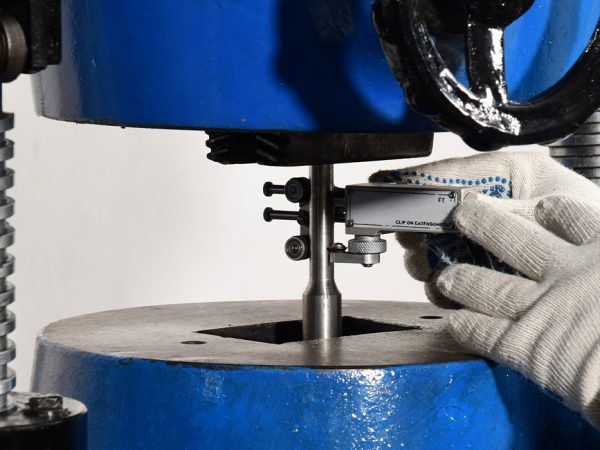
- Material and Chemical Testing: Using metallography, hardness tests, and corrosion analysis.
- Root Cause Identification: Applying techniques like the Fishbone Diagram or 5-Whys Method.
- Corrective Actions: Suggesting operational, material, or design improvements.
Our specialized laboratories and experienced metallurgists ensure that every Failure Investigation conducted by TCR Advanced Engineering Pvt. Ltd. is accurate, detailed, and actionable.
Why Failure and Root Cause Analysis is Essential
In any industrial setup, even minor failures can lead to significant production losses, safety risks, and maintenance costs. A proper Failure and Root Cause Analysis not only identifies the issue but ensures it doesn’t repeat.
At TCR Advanced Engineering Pvt. Ltd., we believe that understanding a failure is the first step to achieving operational excellence. Our Failure Investigation Reports provide clients with insights that improve equipment reliability, reduce downtime, and enhance safety.
Key Benefits:
- Improved Safety: Prevents recurrence of failures that could lead to accidents.
- Reduced Costs: Avoids expensive downtime and replacement costs.
- Enhanced Reliability: Ensures equipment operates at peak performance.
- Compliance: Meets industry and safety standards through documented investigations.
- Continuous Improvement: Encourages learning from failures for better design and operation.
Common Causes of Industrial Failures
During Failure Investigations, our engineers at TCR Advanced Engineering Pvt. Ltd. often identify a combination of causes that contribute to the breakdown. Common factors include:
- Material Defects: Improper alloy composition or inclusions in the material.
- Corrosion: Chemical reactions that weaken metal integrity.
- Fatigue: Repeated cyclic stress leading to microcrack formation.
- Overheating: Caused by poor cooling, scaling, or operational imbalance.
- Human Error: Mistakes during operation or maintenance procedures.
- Design Issues: Inadequate stress allowance or improper load distribution.
By recognizing these factors, Failure and Root Cause Analysis enables industries to take preventive actions before a problem becomes critical.
Boiler Tube Failure Investigation
Boilers are critical to industrial operations, and any tube failure can result in costly shutdowns. Through Boiler Tube Failure Investigation, TCR Advanced Engineering Pvt. Ltd. helps clients uncover the exact cause of failure and develop preventive maintenance strategies.
Common Causes Identified:
- Corrosion and Erosion: Due to chemical reactions or steam impingement.
- Overheating: From poor heat transfer caused by scale formation or blockage.
- Fatigue Cracking: Resulting from temperature cycling and stress fluctuations.
- Manufacturing Defects: Improper welding or inconsistent wall thickness.
Our team performs detailed Failure Analysis through metallurgical studies, non-destructive testing, and microscopic evaluation. A comprehensive Failure Investigation Report outlines the mode of failure, contributing factors, and recommendations for process or material improvements.
At TCR Advanced Engineering Pvt. Ltd., our Boilers Tube Failure Investigations not only solve immediate problems but also enhance long-term boiler performance and safety.
Shaft Failure Investigation
Rotating shafts in turbines, pumps, or compressors face high mechanical stress and fatigue loads. When a failure occurs, it often disrupts entire production lines.
TCR Advanced Engineering Pvt. Ltd. conducts detailed Shaft Failure Investigations to determine whether the cause is operational, material-based, or design-related. Common causes include:
- Fatigue Cracks due to cyclic loading.
- Misalignment causing uneven stress distribution.
- Overload or Sudden Shock Loads.
- Improper Heat Treatment affecting hardness and ductility.
Using advanced analytical techniques such as SEM (Scanning Electron Microscopy), fractography, and metallurgical evaluation, our engineers provide clear insights. The resulting Failure Investigation Report includes practical recommendations like redesigning shaft geometry, improving lubrication, or modifying operation speed.
Our focus is not just on identifying failure — but preventing it from happening again.
The Step-by-Step Process of Failure and Root Cause Analysis
At TCR Advanced Engineering Pvt. Ltd., we follow a proven methodology for accurate Failure and Root Cause Analysis:
- Problem Definition: Precisely describe the observed issue, such as “Boiler tube rupture under high load.”
- Data Collection: Gather all relevant design, operational, and maintenance information.
- Visual Inspection: Identify discoloration, cracks, or deformation patterns.
- Material and Chemical Testing: Determine metallurgical composition, hardness, and corrosion behavior.
- Root Cause Identification: Use analytical tools like Fishbone Diagram and 5-Whys to trace the original cause.
- Report and Recommendations: Prepare a detailed Failure Investigation Report summarizing findings and preventive solutions.
This systematic approach ensures accuracy, repeatability, and complete transparency in every investigation.
Tools and Techniques Used
TCR Advanced Engineering Pvt. Ltd. uses a combination of advanced laboratory equipment and field testing tools to ensure precise Failure Analysis:
- Scanning Electron Microscopy (SEM) – For high-resolution fracture surface analysis.
- Energy Dispersive Spectroscopy (EDS) – For elemental composition of corrosion or deposits.
- Metallography and Microstructure Analysis – To detect grain boundary failure or phase transformation.
- Non-Destructive Testing (NDT) – Including ultrasonic, radiographic, and magnetic particle inspection.
- Mechanical and Chemical Testing – To determine material strength, hardness, and composition.
Each technique plays a role in building a complete picture of how and why a failure occurred.
Developing a Failure Investigation Report
The Failure Investigation Report is a key deliverable from TCR Advanced Engineering Pvt. Ltd. It is prepared after a detailed investigation and includes all necessary findings and recommendations.
A Standard Report Includes:
- Background Information: Component description and operational history.
- Observations: Visual inspection and test results.
- Failure Mode Identification: Corrosion, fatigue, creep, or fracture.
- Root Cause Analysis: Detailed explanation of why the failure occurred.
- Corrective & Preventive Actions: Practical suggestions to prevent recurrence.
These reports help clients make informed decisions about process improvement, maintenance scheduling, and component redesign.
Real-World Applications
1. Boiler Tube Rupture in Petrochemical Plant
A Boiler Tube Failure Investigation performed by TCR Advanced Engineering Pvt. Ltd. revealed localized overheating due to scale buildup inside tubes. The Root Cause Analysis traced the issue to poor water chemistry management. After implementing our recommendations, the plant achieved significant improvement in boiler reliability.
2. Pump Shaft Fracture
During a Shaft Failure Investigation, fatigue cracks were found at the keyway. The RCA showed that vibration from misalignment was the root cause. After alignment correction and material upgrade, the pump operated without further issues.
3. Corrosion Failure in Heat Exchanger Tubes
A Failure Analysis by TCR Advanced Engineering Pvt. Ltd. identified chloride-induced corrosion as the primary cause. Recommendations included improved water treatment and use of corrosion-resistant alloys.
These examples demonstrate how expert Failure and Root Cause Analysis helps industries solve persistent problems effectively.
Preventive Value of Failure and Root Cause Analysis
At TCR Advanced Engineering Pvt. Ltd., we believe that the true value of Failure Investigation lies in prevention. By studying past failures, industries can predict and eliminate future risks.
Key Preventive Benefits:
- Optimized maintenance schedules based on real data.
- Improved design standards for new components.
- Reduction in repetitive breakdowns and unplanned shutdowns.
- Safer operating environments.
For example, insights from Failure Investigation of Boiler Tubes can lead to improved feedwater chemistry, while Shaft Failure Investigations can refine alignment and lubrication practices.
Challenges in Failure and Root Cause Analysis
Performing accurate Failure and Root Cause Analysis requires experience, data, and advanced tools. Some common challenges include:
- Limited or damaged evidence after failure.
- Time pressure to resume operations quickly.
- Incomplete maintenance records.
- Misinterpretation of symptoms versus actual root causes.
At TCR Advanced Engineering Pvt. Ltd., we overcome these challenges through our decades of metallurgical expertise, advanced testing infrastructure, and systematic investigation process.
Best Practices Followed at TCR Advanced Engineering Pvt. Ltd.
Detailed Documentation of all visual, microscopic, and test observations.
- Cross-Functional Expertise from metallurgists, corrosion engineers, and mechanical experts.
- Use of Global Standards like ASTM and ISO for all testing and reporting.
- Focus on Prevention, not just repair.
- Client Collaboration to understand real-world operating conditions.
These best practices make TCR Advanced Engineering Pvt. Ltd. one of India’s most trusted names in Failure and Root Cause Analysis.
Conclusion
Failures are inevitable in industrial systems — but repeating them isn’t. Through systematic Failure and Root Cause Analysis, companies can uncover the truth behind breakdowns and ensure they never happen again.
At TCR Advanced Engineering Pvt. Ltd., our mission is to transform failures into opportunities for improvement. With specialized expertise in Boilers Tube Failure Investigations, Shaft Failure Investigations, and metallurgical evaluations, we deliver accurate, science-backed insights that improve reliability, safety, and performance.
Our detailed Failure Investigation Reports empower industries to take proactive action, enhance maintenance strategies, and achieve operational excellence.
Ultimately, TCR Advanced Engineering Pvt. Ltd. stands for integrity, precision, and reliability — helping industries stay strong, safe, and successful through world-class Failure and Root Cause Analysis.
FAQs on Failure and Root Cause Analysis
1. What is Failure and Root Cause Analysis?
Failure and Root Cause Analysis is a systematic process used to identify the underlying reasons behind a component or system failure. Instead of just fixing the visible problem, it investigates why the failure occurred — whether due to material defects, corrosion, fatigue, or human error. At TCR Advanced Engineering Pvt. Ltd., our engineers perform in-depth investigations to help clients prevent similar failures in the future.
2. Why is Failure and Root Cause Analysis important for industries?
It’s essential because it prevents repeat failures, reduces downtime, and improves safety. A proper Failure and Root Cause Analysis helps companies identify the exact reason for breakdowns and implement corrective actions, ensuring equipment reliability and long-term cost savings.
3. What types of failures can TCR Advanced Engineering Pvt. Ltd. investigate?
We handle a wide range of Failure Investigations, including:
- Boiler Tube Failure Investigation
- Shaft Failure Investigation
- Pressure vessel cracking
- Heat exchanger corrosion
- Gear and bearing failures
- Structural component fractures
Our expertise covers both mechanical and metallurgical failure analysis, supported by advanced testing facilities.
4. What are the common causes of boiler tube failures?
In our Boilers Tube Failure Investigations, we often find issues like:
- Corrosion or erosion due to water impurities
- Overheating from poor heat transfer
- Fatigue cracking from thermal stress
- Improper material selection or fabrication defects
By identifying the root cause, we help clients improve maintenance, water treatment, and operating conditions.
5. What does a Failure Investigation Report include?
A Failure Investigation Report from TCR Advanced Engineering Pvt. Ltd. provides:
- Component background and service history
- Visual, microscopic, and chemical examination results
- Identified failure mode (e.g., corrosion, fatigue, creep)
- Detailed Root Cause Analysis
- Corrective and preventive action recommendations
This report becomes a crucial reference document for engineers and plant managers.
6. How is a Shaft Failure Investigation conducted?
Our Shaft Failure Investigation process involves visual inspection, metallurgical testing, and fracture surface analysis using tools like SEM (Scanning Electron Microscope). We identify the mode of failure — such as fatigue, overload, or misalignment — and recommend design or operational changes to prevent recurrence.
7. How long does a typical Failure and Root Cause Analysis take?
The duration depends on the complexity of the case. A simple Failure Investigation may take a few days, while a detailed Boiler Tube Failure Investigation or Shaft Failure Investigation may require one to three weeks. At TCR Advanced Engineering Pvt. Ltd., we maintain a balance between accuracy and timely delivery.
8. What tools and techniques are used in Failure Analysis?
We use a combination of advanced tools, including:
- Metallography and Microstructure Analysis
- Scanning Electron Microscopy (SEM)
- Energy Dispersive Spectroscopy (EDS)
- Non-Destructive Testing (NDT) methods
- Chemical and Mechanical Testing
These techniques help identify even microscopic defects that contribute to failure.
9. How does TCR Advanced Engineering Pvt. Ltd. ensure accuracy in its investigations?
We follow international standards such as ASTM and ISO for testing and reporting. Our team of metallurgists, mechanical engineers, and corrosion specialists work together to cross-verify every observation. This ensures that each Failure and Root Cause Analysis is precise, unbiased, and scientifically validated.
10. Can TCR Advanced Engineering Pvt. Ltd. provide preventive recommendations after failure analysis?
Absolutely. Our goal is not only to determine what went wrong but to ensure it never happens again. Each Failure Investigation Report includes clear, practical preventive measures — such as material upgrades, operational changes, or improved maintenance practices — helping clients achieve long-term reliability and safety.