 TCR Media January 30, 2026
Introduction to Boiler Tube Remaining Life in Industrial Boilers
Boilers are the backbone of power generation and many process industries. From thermal power plants to refineries, cement plants, fertilizer units, and steel industries, boilers work continuously under extreme temperature and pressure conditions. Over time, the boiler tubes inside these systems experience material degradation due to heat, pressure, corrosion, erosion, and chemical reactions. Understanding boiler tube remaining life becomes critical to ensure safe operation, reduce unexpected shutdowns, and plan maintenance activities effectively.
Boiler tube remaining life refers to the estimated period for which boiler tubes can continue to operate safely without failure under current operating conditions. This estimation is not based on guesswork. It is achieved through scientific Remaining Life Assessment methods that evaluate material condition, operating history, and damage mechanisms. Industries that ignore Remaining Life Assessment often face sudden tube failures, leading to forced outages, safety hazards, and high financial losses.
In modern industrial environments, plant owners are increasingly focusing on Remaining Useful Life evaluation to shift from reactive maintenance to predictive and condition-based maintenance strategies.
Importance of Remaining Life Assessment for Boiler Tubes
Remaining Life Assessment is a structured engineering approach used to determine the health and future usability of boiler tubes. Boiler tubes operate at elevated temperatures and are subjected to continuous thermal cycling, internal pressure, and exposure to aggressive combustion products. Over long service periods, these conditions initiate creep damage, oxidation, carburization, hydrogen attack, and wall thinning.
Remaining Life Assessment allows industries to understand whether the boiler tube remaining life is adequate for continued operation or whether repair or replacement is required. In power plants operating for more than ten to fifteen years, RLA analysis becomes extremely important because original design assumptions may no longer hold true due to changes in fuel quality, operating load patterns, or extended service hours.
Through Remaining Life Assessment, industries can improve plant reliability, enhance safety, extend equipment life, and optimize maintenance budgets. It also supports compliance with statutory regulations and insurance requirements.
Damage Mechanisms Affecting Boiler Tube Remaining Life
The degradation of boiler tubes is influenced by multiple damage mechanisms acting simultaneously. High-temperature creep is one of the most critical factors affecting boiler tube remaining life in superheaters, reheaters, and water wall tubes. Creep damage occurs when materials deform slowly under sustained stress at elevated temperatures, eventually leading to rupture.
Corrosion and oxidation are common in both coal-fired and oil-fired boilers. External corrosion occurs due to flue gas constituents such as sulfur and chlorine, while internal corrosion is caused by poor water chemistry control. These mechanisms gradually reduce tube wall thickness, directly impacting Remaining Useful Life.
Erosion caused by fly ash particles in coal-based boilers also contributes to wall thinning, especially in economizer and water wall sections. Thermal fatigue damage develops due to frequent startups, shutdowns, and load fluctuations. All these factors must be carefully evaluated during Remaining Life Assessment to accurately estimate boiler tube remaining life.
Role of RLA Analysis in Boiler Tube Life Evaluation
RLA analysis is a comprehensive engineering study that combines design data, operating history, inspection findings, and material behavior to determine remaining life. RLA analysis does not rely on a single test or observation. Instead, it integrates metallurgical examination, stress calculations, temperature assessment, and damage accumulation models.
In thermal power plants, RLA analysis is typically conducted on critical boiler components such as superheater tubes, reheater tubes, economizer tubes, and headers. By analyzing creep rupture data and comparing it with actual operating conditions, engineers can estimate how much life has already been consumed and how much boiler tube remaining life is still available.
RLA analysis also helps identify high-risk locations where failures are most likely to occur. This enables targeted maintenance actions rather than large-scale replacements, saving both time and cost.
RLA Testing Methods for Boiler Tubes
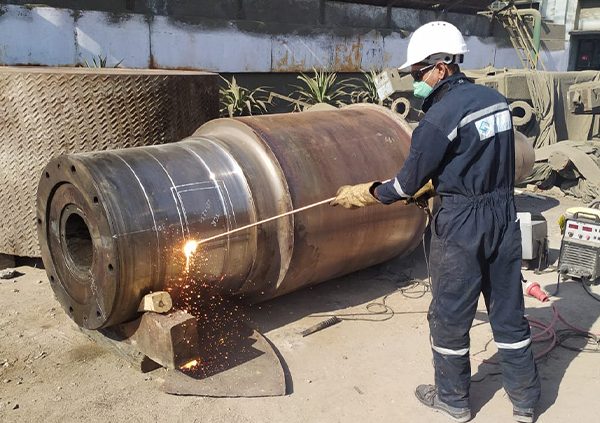
RLA testing is an essential part of Remaining Life Assessment and plays a key role in evaluating boiler tube remaining life. RLA testing includes non-destructive and destructive testing techniques carried out during planned shutdowns. Non-destructive testing methods such as ultrasonic thickness measurement help determine the extent of wall thinning due to corrosion and erosion.
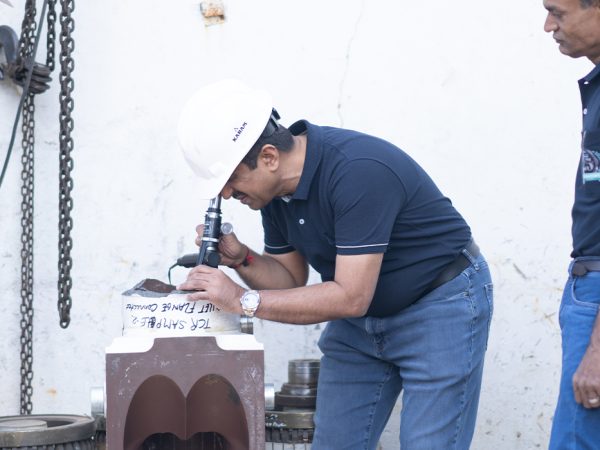
Advanced RLA testing involves metallographic replication, which allows engineers to assess microstructural degradation without removing the tube. This method is widely used in power plants to evaluate creep damage in high-temperature zones. Hardness testing is another RLA testing technique that provides insight into material degradation and heat exposure history.
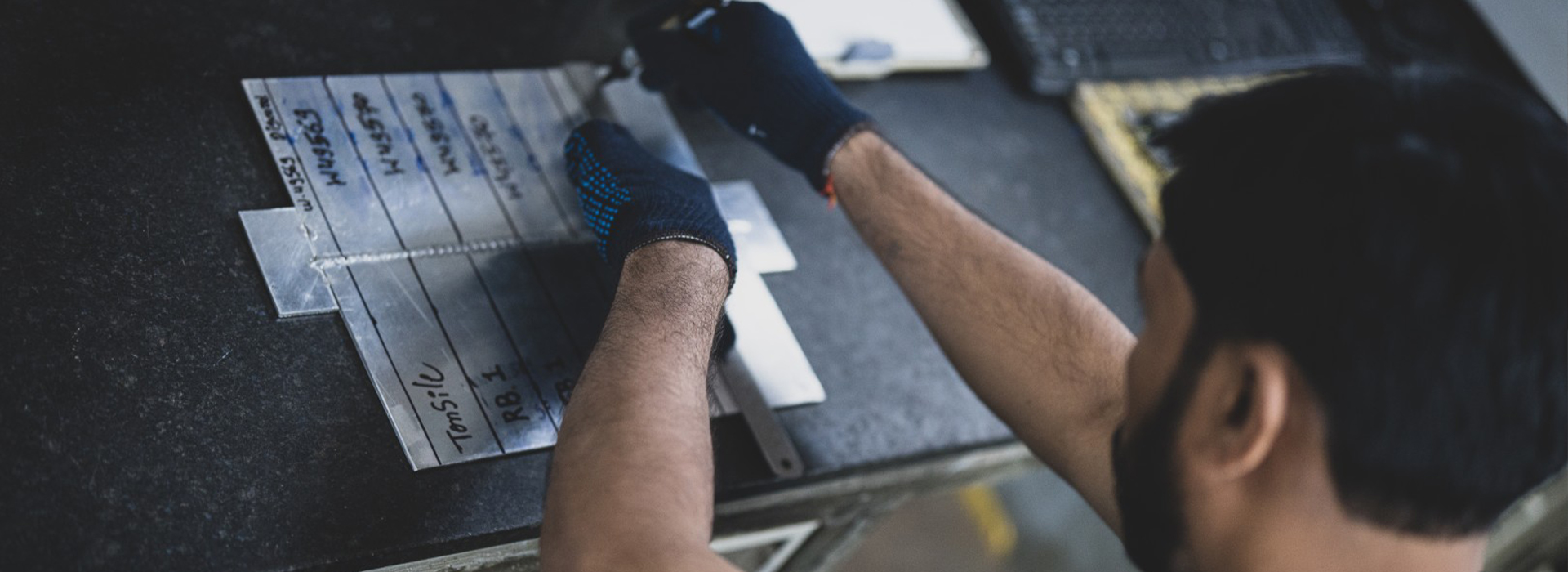
In certain cases, sample extraction and laboratory testing are conducted to perform detailed metallurgical analysis. These tests help validate Remaining Useful Life predictions and support decision-making for continued operation or replacement.
Remaining Useful Life (RUL) Concept in Boiler Tubes
Remaining Useful Life, commonly known as RUL, is the estimated time duration for which a boiler tube can perform its intended function safely and efficiently. Remaining Useful Life is closely linked to boiler tube remaining life but also considers future operating conditions, maintenance practices, and potential load changes.
In industries such as power generation, where boilers operate continuously, understanding Remaining Useful Life helps plant managers plan long-term operational strategies. RUL estimation supports decisions related to life extension, uprating projects, and fuel switching. It also helps in risk-based inspection planning and asset management programs.
By accurately estimating Remaining Useful Life, industries can avoid catastrophic failures and ensure uninterrupted production.
Boiler Tube Remaining Life in Thermal Power Plants
Thermal power plants are among the largest users of boilers, and boiler tube remaining life assessment is critical for their operational reliability. Many power plants in India and across the globe are operating beyond their original design life. In such plants, Remaining Life Assessment becomes essential to justify continued operation.
Superheater and reheater tubes in thermal power plants operate at very high temperatures and are highly susceptible to creep damage. RLA analysis and RLA testing help assess the extent of creep life consumption and determine whether the tubes can safely operate for additional years.
Water wall tubes in coal-fired boilers are exposed to slagging and corrosion, making boiler tube remaining life evaluation necessary to prevent sudden leaks and tube bursts. Through systematic Remaining Life Assessment, power plants can optimize shutdown schedules and minimize forced outages.
Boiler Tube Remaining Life in Refinery and Petrochemical Industries
In refinery and petrochemical industries, boilers are used for process heating, steam generation, and utility services. These boilers often operate under varying load conditions and are exposed to aggressive fuels and feedstocks. Boiler tube remaining life assessment in these industries helps ensure process continuity and safety.
RLA analysis in refinery boilers considers factors such as high sulfur fuel, cyclic operation, and frequent startups. RLA testing helps detect early signs of metal degradation, allowing corrective actions before failures occur. Remaining Useful Life estimation supports maintenance planning and compliance with safety standards.
Boiler Tube Remaining Life in Cement and Steel Industries
Cement and steel industries rely on boilers and waste heat recovery systems to improve energy efficiency. Boiler tube remaining life in these industries is influenced by high dust loading, abrasive particles, and fluctuating operating conditions.
Remaining Life Assessment helps identify erosion-prone areas and evaluate the impact of aggressive operating environments on tube life. RLA testing provides valuable data for Remaining Useful Life estimation, helping industries maintain stable production and reduce downtime.
Life Extension and Risk Management Through Remaining Life Assessment
Remaining Life Assessment is not just about estimating boiler tube remaining life. It is also a powerful tool for risk management and life extension. By understanding the condition of boiler tubes, industries can implement life extension programs that include operational optimization, material upgrades, and improved inspection practices.
RLA analysis helps prioritize maintenance activities based on risk rather than age alone. This approach improves plant safety and reliability while reducing unnecessary capital expenditure. Remaining Useful Life evaluation supports informed decision-making and long-term asset planning.
Role of TCR Advanced Engineering PVT. LTD. in Boiler Tube Remaining Life Assessment
TCR Advanced Engineering PVT. LTD. is a trusted engineering firm providing specialized services in boiler tube remaining life assessment and Remaining Life Assessment for industrial boilers. With deep expertise in RLA analysis and RLA testing, the company supports power plants and process industries in evaluating the health of critical boiler components.
TCR Advanced Engineering PVT. LTD. follows a systematic approach that combines field inspection, advanced testing techniques, and engineering analysis to estimate Remaining Useful Life accurately. The firm works closely with plant teams to understand operating conditions and deliver practical recommendations for safe and reliable operation.
By partnering with TCR Advanced Engineering PVT. LTD., industries can enhance boiler reliability, improve safety, and achieve cost-effective life extension of boiler tubes.
Conclusion on Boiler Tube Remaining Life Assessment
Boiler tube remaining life assessment is a vital engineering activity for industries that depend on reliable steam generation. Through structured Remaining Life Assessment, detailed RLA analysis, and accurate RLA testing, industries can understand the true condition of their boiler tubes and estimate Remaining Useful Life with confidence.
As industrial plants continue to operate under demanding conditions, the importance of boiler remaining life evaluation will only increase. Investing in professional Remaining Life Assessment services ensures safe operation, minimizes unplanned outages, and supports sustainable plant performance.
With experienced engineering partners like TCR Advanced Engineering PVT. LTD., industries can confidently manage aging boiler assets and achieve long-term operational excellence.
Frequently Asked Questions (FAQs) on Boiler Tube Remaining Life
What is meant by boiler tube remaining life?
Boiler tube remaining life refers to the estimated period for which boiler tubes can continue to operate safely under existing operating conditions without failure. It is determined through engineering evaluation, material condition assessment, and operating history analysis using Remaining Life Assessment techniques.
Why is boiler tube remaining life assessment important?
Boiler tube remaining life assessment is important because boiler tubes operate under high temperature and pressure conditions and gradually degrade over time. Without proper Remaining Life Assessment, unexpected tube failures can occur, leading to forced shutdowns, safety risks, and financial losses. Assessing remaining life helps industries plan maintenance and ensure safe operation.
What is Remaining Life Assessment in boiler tubes?
Remaining Life Assessment is a systematic engineering process used to evaluate the current condition of boiler tubes and estimate their future service life. It involves inspection, RLA testing, metallurgical evaluation, and engineering calculations to determine how much useful life is left in the boiler tubes.
What is RLA analysis and how does it help?
RLA analysis is a detailed study that combines inspection data, material properties, operating temperature, pressure, and service history to calculate life consumption of boiler tubes. RLA analysis helps identify damage mechanisms such as creep, corrosion, and erosion and provides a reliable estimate of boiler remaining life.
What types of RLA testing are carried out on boiler tubes?
RLA testing includes non-destructive and, when required, destructive testing methods. Common RLA testing techniques include ultrasonic thickness measurement, metallographic replication, hardness testing, and visual inspection. In some cases, laboratory metallurgical testing is conducted to validate Remaining Useful Life predictions.
What is Remaining Useful Life (RUL) in boiler tubes?
Remaining Useful Life, or RUL, is the estimated time period during which a boiler tube can continue to perform its intended function safely and efficiently. RUL considers existing damage, future operating conditions, and maintenance practices and is a key output of Remaining Life Assessment studies.
When should Remaining Life Assessment be performed for boiler tubes?
Remaining Life Assessment should be performed when boilers approach mid-life or end-of-design life, after long years of operation, or when operating conditions change. It is also recommended after repeated tube failures, load cycling issues, or before life extension and uprating projects.
Which boiler components are typically covered under boiler tube remaining life assessment?
Boiler tube remaining life assessment commonly covers superheater tubes, reheater tubes, water wall tubes, economizer tubes, and sometimes headers. These components are critical because they operate under severe temperature and pressure conditions and are more susceptible to damage.
How does boiler tube remaining life assessment improve plant safety?
By identifying early signs of material degradation and estimating Remaining Useful Life, boiler remaining life assessment helps prevent sudden tube ruptures and explosions. This significantly improves plant safety and reduces risks to personnel and equipment.
Can boiler tube remaining life be extended after RLA analysis?
Yes, in many cases boiler tube remaining life can be extended based on RLA analysis results. Life extension may be achieved through operational optimization, selective tube replacement, improved water chemistry control, and enhanced inspection intervals recommended after Remaining Life Assessment.
Is boiler remaining life assessment applicable to industries other than power plants?
Yes, boiler tube remaining life assessment is applicable to various industries including refineries, petrochemical plants, cement plants, steel industries, fertilizer units, and process industries where boilers are used for steam and heat generation.
How accurate is Remaining Life Assessment for boiler tubes?
Remaining Life Assessment provides a reliable estimate of boiler remaining life when performed using proper RLA analysis and RLA testing methods. Accuracy depends on quality of inspection data, understanding of operating conditions, and engineering expertise.
How does TCR Advanced Engineering PVT. LTD. support boiler tube remaining life assessment?
TCR Advanced Engineering PVT. LTD. provides comprehensive services for boiler tube remaining life assessment, including RLA testing, RLA analysis, and Remaining Useful Life evaluation. The company helps industries improve boiler reliability, ensure safe operation, and plan cost-effective maintenance strategies.
What are the benefits of conducting RLA analysis through an expert engineering firm?
Conducting RLA analysis through an experienced engineering firm ensures accurate Remaining Useful Life estimation, compliance with industry standards, reduced risk of failure, optimized maintenance planning, and extended boiler tube service life.
How often should boiler remaining life be reassessed?
Boiler remaining life should be reassessed periodically based on operating severity, inspection findings, and previous RLA results. Typically, reassessment is recommended during major shutdowns or when significant changes in operating conditions occur.