TCR Media January 16, 2026
In the petrochemical industry, plants operate under extreme conditions with high temperatures, pressures, and corrosive environments. Equipment like reactors, heat exchangers, pipelines, and pressure vessels are constantly exposed to these challenging operating conditions, making their structural integrity critical for safe operations. This is where Remaining Life Assessment
(RLA) plays a vital role. RLA in petrochemical plants helps determine the current health of equipment, estimate its remaining operational life, and prevent unexpected failures that could lead to costly downtime or hazardous situations.
A well-executed RLA analysis involves a combination of engineering expertise, advanced testing, and thorough data evaluation. It helps plant operators identify signs of wear, corrosion, fatigue, and other forms of material degradation. By assessing these factors, engineers can make informed decisions about maintenance, repairs, or replacements. This proactive approach not only enhances plant safety but also improves operational efficiency by minimizing unplanned shutdowns.
Understanding RLA Testing and Its Importance
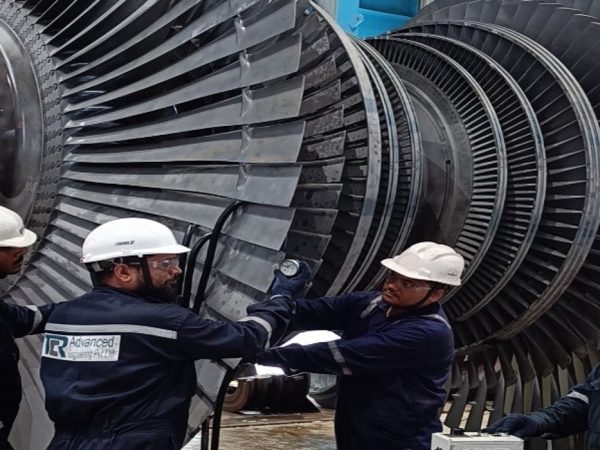
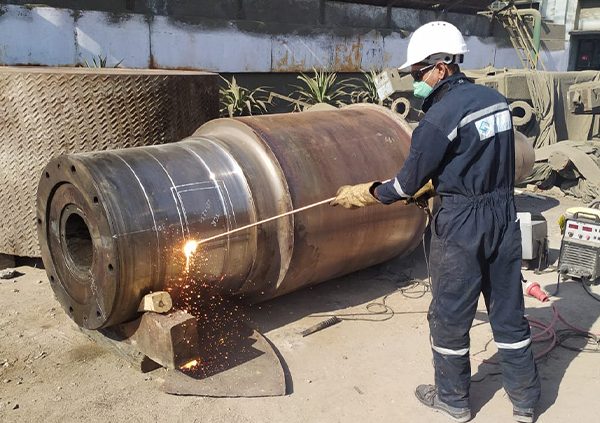
RLA testing in petrochemical plants involves a detailed examination of critical equipment to assess their current condition. Techniques such as ultrasonic testing, radiography, and metallurgical analysis are commonly used to evaluate material thickness, detect cracks, and identify potential weaknesses. These tests provide valuable data for engineers to perform RLA analysis and predict how much operational life remains before significant maintenance or replacement is necessary.
The importance of RLA testing in the petrochemical industry cannot be overstated. Failures in equipment like heat exchangers, pipelines, and reactors can have catastrophic consequences, including production losses, environmental hazards, and safety risks to personnel. Conducting regular RLA ensures that potential problems are detected early, and corrective actions can be planned efficiently. This approach aligns with global safety standards and regulatory compliance, making it an essential practice for all petrochemical plants.
TCR Engineering Pvt. Ltd.: Your Partner in Reliable RLA Services
At TCR Engineering Pvt. Ltd., we specialize in providing comprehensive Remaining Life Assessment services to the petrochemical sector. Our team of experienced engineers and technicians carries out detailed RLA testing and analysis, ensuring that each plant component is evaluated with precision and care. We combine advanced testing techniques with practical engineering expertise to deliver actionable insights that support plant safety and operational continuity.
With years of experience in RLA in petrochemical plants, TCR Engineering Pvt. Ltd. has become a trusted service provider for operators seeking reliable, accurate, and timely assessments. We understand the unique challenges faced by the petrochemical industry and design our services to meet stringent operational requirements. By partnering with us, plant operators can ensure that their critical equipment remains safe, efficient, and compliant with industry standards.

Critical Equipment and the Need for RLA in Petrochemical Plants
Petrochemical plants rely heavily on equipment such as reactors, distillation columns, pipelines, heat exchangers, storage tanks, and pressure vessels. These components are constantly subjected to high pressures, elevated temperatures, and aggressive chemicals. Over time, even the most robust equipment experiences wear and tear, corrosion, and material fatigue. Ignoring these signs can lead to sudden failures, expensive downtime, and safety hazards.
This is why RLA in petrochemical plants is crucial. By conducting RLA testing on critical equipment, plant operators gain insight into the condition of materials, thickness reductions, and potential areas of weakness. Engineers use this information to predict the remaining service life accurately. RLA analysis is not just a preventive measure; it’s a strategic approach that helps petrochemical companies plan maintenance, optimize budgets, and ensure uninterrupted production while safeguarding personnel and the environment.
Methods and Techniques Used in RLA Testing
Conducting RLA testing involves a combination of non-destructive testing (NDT), material evaluation, and operational data analysis. Common methods include ultrasonic thickness measurement, radiography, magnetic particle inspection, and visual examination. These techniques allow engineers to detect corrosion, cracking, wall thinning, and other structural issues without dismantling the equipment.
In addition to physical testing, RLA analysis also considers operational data, such as temperature fluctuations, pressure cycles, chemical exposure, and historical maintenance records. This combined approach ensures a holistic understanding of equipment health. By integrating multiple sources of data, engineers can provide accurate predictions of the remaining life of components, helping plant managers make informed decisions about repair, replacement, or continued operation.
Predicting Equipment Lifespan with RLA Analysis
The goal of Remaining Life Assessment is to estimate how much longer equipment can safely operate under existing conditions. Engineers evaluate the extent of wear, corrosion, and mechanical stress to calculate the remaining operational life. In petrochemical plants, where even minor equipment failures can have serious consequences, accurate RLA analysis is essential.
By knowing the remaining life of equipment, plant operators can schedule maintenance proactively, allocate budgets effectively, and avoid unplanned shutdowns. It also supports compliance with safety regulations and environmental standards. RLA testing allows plants to prioritize critical repairs, replace aging components before failure, and optimize overall plant performance, ensuring longevity and safety.
Benefits of Regular RLA in Petrochemical Plants
Regular RLA in petrochemical plants provides multiple advantages. It helps prevent unexpected equipment failure, which can lead to costly downtime and production losses. By identifying weak points early, engineers can take corrective action and avoid emergencies. Furthermore, RLA testing enhances workplace safety by reducing the risk of accidents caused by equipment malfunction.
Another key benefit is financial efficiency. Proper RLA analysis allows plant managers to plan maintenance budgets, avoid unnecessary replacement of parts, and extend the life of equipment through timely interventions. It also contributes to operational reliability, ensuring that production targets are consistently met. For petrochemical plants operating under tight schedules and strict safety regulations, these benefits make RLA an indispensable tool.
Case Study: RLA Applications in Petrochemical Industry
A major petrochemical plant recently conducted comprehensive RLA testing on its heat exchangers and reactors. The RLA analysis revealed early signs of corrosion and thinning in several critical areas. By implementing recommended maintenance based on the assessment, the plant avoided potential equipment failure that could have caused a costly shutdown.
This example highlights the practical value of RLA in petrochemical plants. It not only ensures safety but also improves operational efficiency. By collaborating with experienced service providers like TCR Engineering Pvt. Ltd., petrochemical companies can leverage advanced testing and engineering expertise to maintain equipment reliability and prolong operational life.
TCR Engineering Pvt. Ltd.: Expert RLA Service Provider for Petrochemical Plants
TCR Engineering Pvt. Ltd. is a trusted name in the petrochemical industry when it comes to Remaining Life Assessment. With years of experience and technical expertise, we provide comprehensive RLA testing and RLA analysis services that help plants maintain operational safety and efficiency. Our team of skilled engineers uses advanced testing methods to evaluate critical equipment such as reactors, pipelines, heat exchangers, and storage vessels, ensuring that every component is thoroughly assessed.
What sets TCR Engineering apart is our hands-on approach to RLA in petrochemical plants. We combine industry-standard testing techniques with practical engineering experience, delivering actionable insights that plant operators can rely on. From ultrasonic thickness measurement to radiography and metallurgical analysis, our services cover all aspects of structural and material assessment. By partnering with TCR Engineering, petrochemical plants gain access to accurate, timely, and reliable RLA services that prevent unexpected failures, optimize maintenance schedules, and extend equipment life.
Implementing Effective RLA Programs in Petrochemical Plants
Implementing a structured Remaining Life Assessment program is critical for sustaining the safety and efficiency of petrochemical operations. Regular RLA testing should be integrated into the plant’s maintenance schedule, particularly for high-risk and high-value equipment. Engineers must consider operational factors such as temperature, pressure, chemical exposure, and historical maintenance records to perform a comprehensive RLA analysis.
A proactive RLA program allows plant operators to plan maintenance and replacements strategically. Instead of waiting for equipment to fail, operators can schedule interventions based on the predicted remaining life. This approach reduces unexpected downtime, saves on repair costs, and ensures compliance with industry safety and environmental regulations. Moreover, continuous monitoring and periodic reassessment enhance the reliability of critical systems, providing peace of mind for both plant management and employees.
Benefits of Choosing TCR Engineering for RLA Services
Partnering with TCR Engineering Pvt. Ltd. ensures that petrochemical plants receive high-quality RLA in petrochemical plants. Our services help companies avoid costly unplanned shutdowns, reduce maintenance expenses, and enhance workplace safety. Detailed RLA testing identifies hidden issues that could compromise equipment performance, allowing corrective measures before failures occur.
Furthermore, our team provides detailed RLA analysis reports with practical recommendations for repair, replacement, or life extension of critical equipment. This enables plant managers to make informed decisions based on accurate data. TCR Engineering’s expertise, combined with cutting-edge technology and industry knowledge, guarantees reliable and actionable results that support both short-term operations and long-term strategic planning.
Maximizing Safety and Efficiency through RLA
The petrochemical industry operates under high-risk conditions, making safety, reliability, and efficiency top priorities. By adopting comprehensive Remaining Life Assessment practices, plants can monitor equipment health, prevent accidents, and ensure uninterrupted production. RLA testing and RLA analysis provide the data needed to make informed decisions on maintenance and replacement schedules, ultimately extending the operational life of equipment.
In addition, a well-implemented RLA program enhances compliance with regulatory standards, minimizes environmental risks, and promotes a culture of safety and reliability. Petrochemical plants that invest in regular RLA in petrochemical plants benefit from optimized production, reduced downtime, and improved financial efficiency, making it a vital part of modern industrial operations.
Conclusion
Remaining Life Assessment is an essential practice for petrochemical plants seeking to maintain safety, efficiency, and operational continuity. By evaluating the current condition of critical equipment through RLA testing and performing comprehensive RLA analysis, plant operators can predict remaining service life, plan maintenance proactively, and prevent costly failures.
TCR Engineering Pvt. Ltd. offers specialized RLA services tailored for the petrochemical industry. Our experienced engineers, advanced testing techniques, and practical recommendations ensure that every assessment delivers reliable, actionable insights. By implementing effective RLA in petrochemical plants, companies can enhance equipment longevity, optimize production efficiency, and maintain high safety standards. Partnering with TCR Engineering ensures that petrochemical plants operate smoothly, safely, and cost-effectively while minimizing risks associated with equipment aging and failure.
FAQs
1. What is Remaining Life Assessment (RLA) in petrochemical plants?
Remaining Life Assessment (RLA) is a process to evaluate the current condition of equipment and predict how long it can safely operate under existing conditions in petrochemical plants.
2. Why is RLA testing important in petrochemical plants?
RLA testing helps identify wear, corrosion, and fatigue in critical equipment, preventing unexpected failures, ensuring safety, and allowing efficient maintenance planning in petrochemical plants.
3. Which equipment requires RLA in petrochemical plants?
Critical equipment such as reactors, pipelines, heat exchangers, pressure vessels, and storage tanks are commonly assessed using RLA testing to ensure safety and long-term operational reliability.
4. How is RLA analysis performed in petrochemical plants?
RLA analysis combines non-destructive testing, metallurgical evaluation, and operational data to determine equipment health, remaining life, and potential risks, guiding maintenance and replacement decisions.
5. What are the benefits of RLA in petrochemical plants?
RLA improves plant safety, reduces unplanned downtime, extends equipment life, lowers maintenance costs, and ensures compliance with industry safety and environmental regulations.
6. How often should RLA testing be conducted?
RLA testing frequency depends on equipment criticality, operating conditions, and historical performance. High-risk equipment typically undergoes periodic assessment to prevent failures.
7. Can RLA predict equipment failures accurately?
Yes, accurate RLA analysis helps predict potential failures by evaluating corrosion, fatigue, and material degradation, allowing proactive maintenance and life extension of equipment.
8. What techniques are used for RLA testing?
Common RLA testing techniques include ultrasonic thickness measurement, radiography, visual inspection, metallurgical analysis, and other non-destructive methods tailored to petrochemical plant requirements.
9. Why choose TCR Engineering Pvt. Ltd. for RLA services?
TCR Engineering provides expert RLA testing and analysis in petrochemical plants with experienced engineers, advanced techniques, accurate reports, and actionable recommendations for safe and efficient operations.
10. How does RLA improve overall plant efficiency?
By identifying equipment issues early, RLA testing reduces downtime, optimizes maintenance schedules, and ensures continuous operation, improving overall safety, productivity, and cost-effectiveness in petrochemical plants.